Bridging the Climate Finance Gap: Unlocking the New Collective Quantified Goal
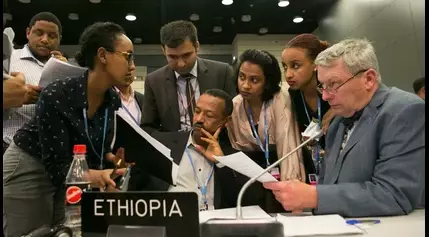
The New Collective Quantified Goal (NCQG) on climate finance has been a long-standing priority for the global community, with countries agreeing to establish this new goal in 2015 to go into effect in 2025. The NCQG aims to address the critical need for financial support to help developing countries mitigate and adapt to the impacts of climate change, a vital component of the Paris Agreement. However, the journey to this milestone has been marked by challenges, including the failure to meet the previous 0 billion annual target and persistent concerns over transparency and accountability. As the world gathers for COP29, the NCQG negotiations present a pivotal opportunity to chart a new course and rebuild trust in climate finance.Unlocking the Potential of the New Collective Quantified Goal
Sufficient Funding: Addressing the Adaptation Financing Gap
The NCQG negotiations must prioritize securing sufficient and effective climate finance, with a particular focus on adaptation needs. Research has shown that international support for adaptation has consistently lagged behind that for mitigation, despite the growing urgency of adaptation efforts in developing countries. Developing countries have estimated their annual adaptation financing needs to be between 5 billion and 7 billion, a figure that far exceeds the current levels of support. Negotiators must work to establish a quantum for the NCQG that adequately reflects these escalating adaptation requirements, ensuring that developing countries have the resources they need to build resilience and protect their communities from the devastating impacts of climate change.
Effective and Equitable Climate Finance
The NCQG must not only address the quantum of climate finance, but also ensure that the funding is deployed in a manner that is both effective and equitable. This means prioritizing the needs and priorities of developing countries, as agreed upon in the Paris Agreement, and ensuring that the distribution of funds is transparent and accountable. Developing countries have long expressed concerns over the lack of transparency and accountability in the current climate finance landscape, which has contributed to a growing distrust between richer and poorer nations. The NCQG negotiations present an opportunity to address these issues and rebuild confidence in the global climate finance system.
Adaptation and Loss and Damage: Balancing Priorities
The NCQG negotiations must strike a delicate balance between addressing mitigation, adaptation, and loss and damage. While mitigation efforts are crucial in reducing the overall impact of climate change, adaptation and loss and damage financing are equally vital in supporting developing countries as they grapple with the unavoidable consequences of a warming planet. Negotiators must ensure that the NCQG provides sufficient and equitable funding for all three pillars, recognizing that adaptation and loss and damage are distinct and often overlooked priorities that require dedicated attention and resources.
Building Trust and Accountability
Underlying the NCQG negotiations is the need to rebuild trust and accountability in the global climate finance system. The failure to meet the previous 0 billion annual target, combined with persistent concerns over transparency and accountability, has eroded confidence between richer and poorer nations. The NCQG presents an opportunity to address these issues and establish a more robust and trustworthy framework for climate finance. Negotiators must work to enhance transparency, improve monitoring and reporting mechanisms, and ensure that the distribution of funds is equitable and responsive to the needs of developing countries.
Unlocking the Potential of the NCQG
The New Collective Quantified Goal on climate finance represents a critical juncture in the global effort to address the climate crisis. By securing sufficient, effective, and equitable funding for mitigation, adaptation, and loss and damage, the NCQG can unlock the potential of the Paris Agreement and empower developing countries to build resilience and chart a sustainable path forward. As the world gathers for COP29, the negotiations on the NCQG present a pivotal opportunity to bridge the climate finance gap and restore trust in the global climate finance system.