Geneva Embraces Food Manufacturing: A Zoning Shift to Boost Economic Growth
In a move aimed at fostering economic development, the Geneva City Council has voted to allow food manufacturing as a permitted use in one of its light industrial zoning districts. This decision comes in response to a request from MSI Express Inc., a food manufacturing company seeking to expand its operations in the city. The council's 6-3 split vote reflects the nuanced considerations surrounding this zoning amendment, as they weigh the potential benefits against the concerns of nearby residents.Unlocking Opportunities for Industrial Growth
Addressing a Zoning Oversight
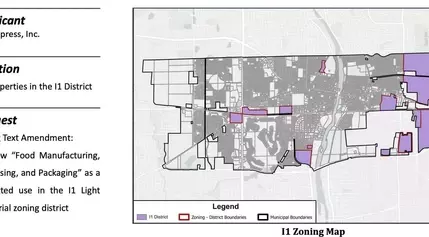
The city's current light industrial zoning district, known as the I1 district, did not previously permit food manufacturing, processing, and packaging as a permitted use. This oversight came to light when MSI Express, a company with a long-standing presence in Geneva, sought to lease a 275,000-square-foot industrial building at 1885 E. State St. to expand its operations. Community Development Director David DeGroot acknowledged that the city was "a little surprised" to discover this gap in the zoning regulations, as food manufacturing has been a prominent activity in the area, particularly within the Geneva Business Park PUD.
Aligning Zoning with Industrial Realities
The proposed text amendment aims to bring the city's zoning regulations in line with the realities of its industrial landscape. As DeGroot noted, the majority of existing food processing facilities, such as General Mills, Northern Illinois Food Bank, Roquette, and FONA, are located within the Geneva Business Park PUD, where an exception was made to the I1 district to accommodate these uses. By allowing food manufacturing as a permitted use in the I1 district, the city hopes to streamline the process for companies like MSI Express to establish or expand their operations, further strengthening Geneva's industrial base.
Anticipating Future Growth
The city's recent annexation and zoning of additional industrial properties to the south of the existing industrial areas have also factored into the decision. DeGroot noted that these undeveloped parcels could potentially attract similar types of industrial uses, making the inclusion of food manufacturing in the I1 district a proactive measure to support the city's long-term economic growth.
Balancing Interests and Concerns
The decision to allow food manufacturing as a permitted use in the I1 district was not without its challenges. The Planning and Zoning Commission had initially recommended that it be designated as a special use, rather than a permitted use, citing concerns over potential odors and the proximity to residential areas. Some aldermen, such as Robert Swanson, shared these concerns, arguing that a special use designation would allow for greater public input and oversight.
Upholding Performance Standards and Enforcement
In response to these concerns, city officials emphasized the existing performance standards and enforcement mechanisms in place to address potential issues. DeGroot highlighted the Environmental Protection Agency's odor thresholds, as well as the city's own ordinances governing odor and hazardous materials. While acknowledging the limited resources of the city's single code enforcement officer, the council ultimately decided that the benefits of allowing food manufacturing as a permitted use outweighed the potential drawbacks, provided that the appropriate safeguards and oversight remain in place.
Fostering Economic Development and Opportunity
The council's decision to approve the zoning amendment was driven by a desire to support economic development and provide opportunities for businesses to thrive in Geneva. Alderpersons such as Martha Paschke and Amy Mayer emphasized the importance of encouraging industrial growth and making it easier for property owners to attract tenants. They argued that the city's existing performance standards and enforcement mechanisms were sufficient to address any potential concerns, and that the zoning change would help the city remain competitive in attracting and retaining industrial businesses.
A Balanced Approach
The council's 6-3 split vote reflects the nuanced nature of this decision, with some aldermen, such as Becky Hruby, preferring to maintain a special use designation to allow for more case-by-case review and public input. Ultimately, the majority of the council concluded that the benefits of allowing food manufacturing as a permitted use in the I1 district outweighed the potential drawbacks, provided that the city's existing safeguards and enforcement mechanisms remain in place to address any concerns that may arise.